
Gain-of-Function Research
Experiments that make pathogens more transmissible to study pandemic risk. Valuable science, or a danger in itself?
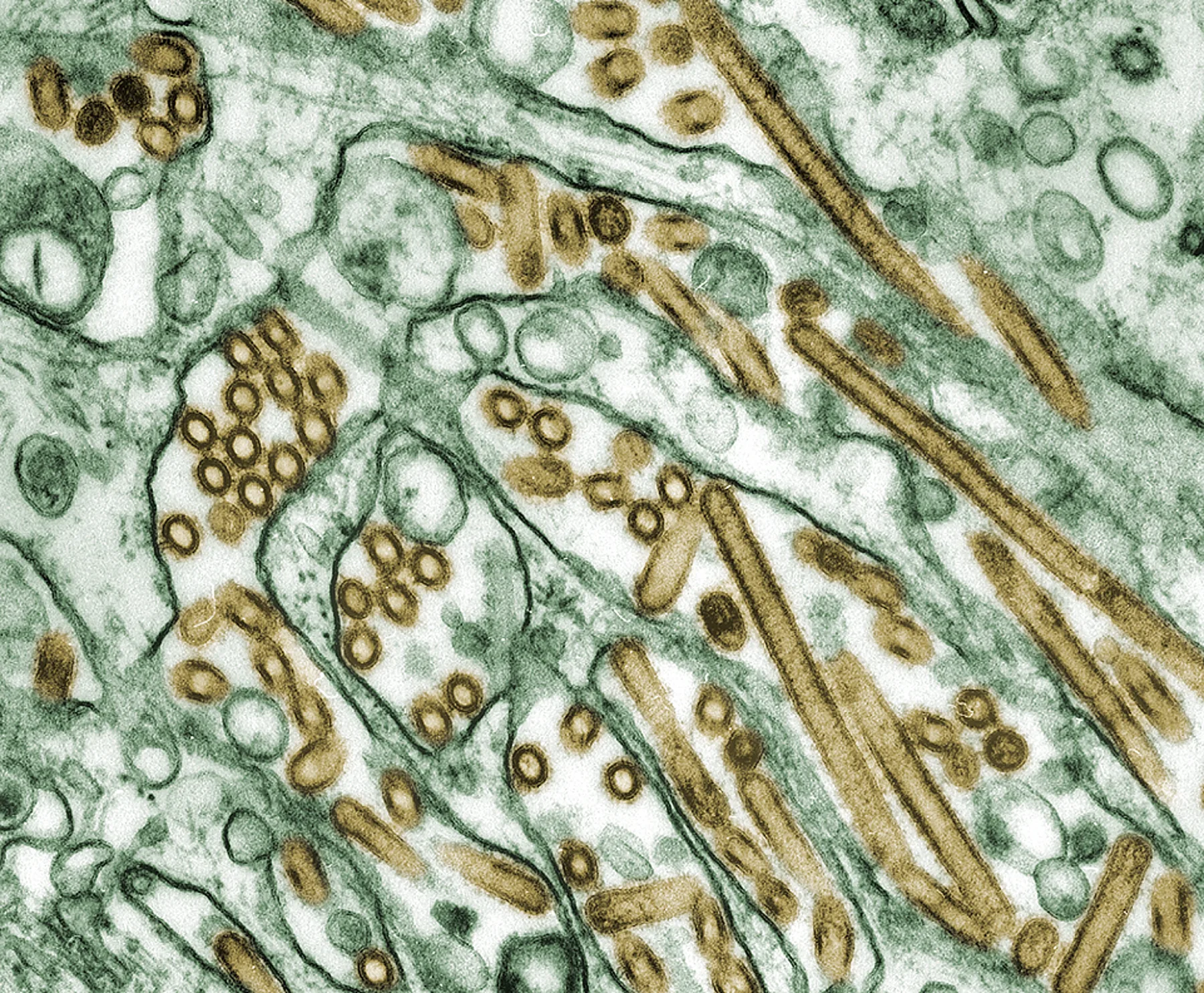
Gain-of-function research modifies a pathogen to study how it might gain abilities such as spreading more easily. It became a public controversy in 2011–12, when a team at Erasmus Medical Center in Rotterdam showed that an H5N1 bird flu virus could be adapted to spread through the air between ferrets. The U.S. National Institutes of Health paused funding for some such work in October 2014, lifting the pause in December 2017 under a new review framework.
Loading the full dossier…
Connected dossiers

See Gain-of-Function Research in the discovery universe →
Ask the archive
Have a question about this dossier, or think a claim needs a better source? Send it to the editors.
How to read the labels
Hero image: Colorized electron micrograph of avian influenza A(H5N1) virus particles (CDC). Photo: Cynthia Goldsmith (CDC) · Public domain · via Wikimedia Commons. Evidence labels describe the written claims, not the image. Version 1 · updated 2026-10-22.