
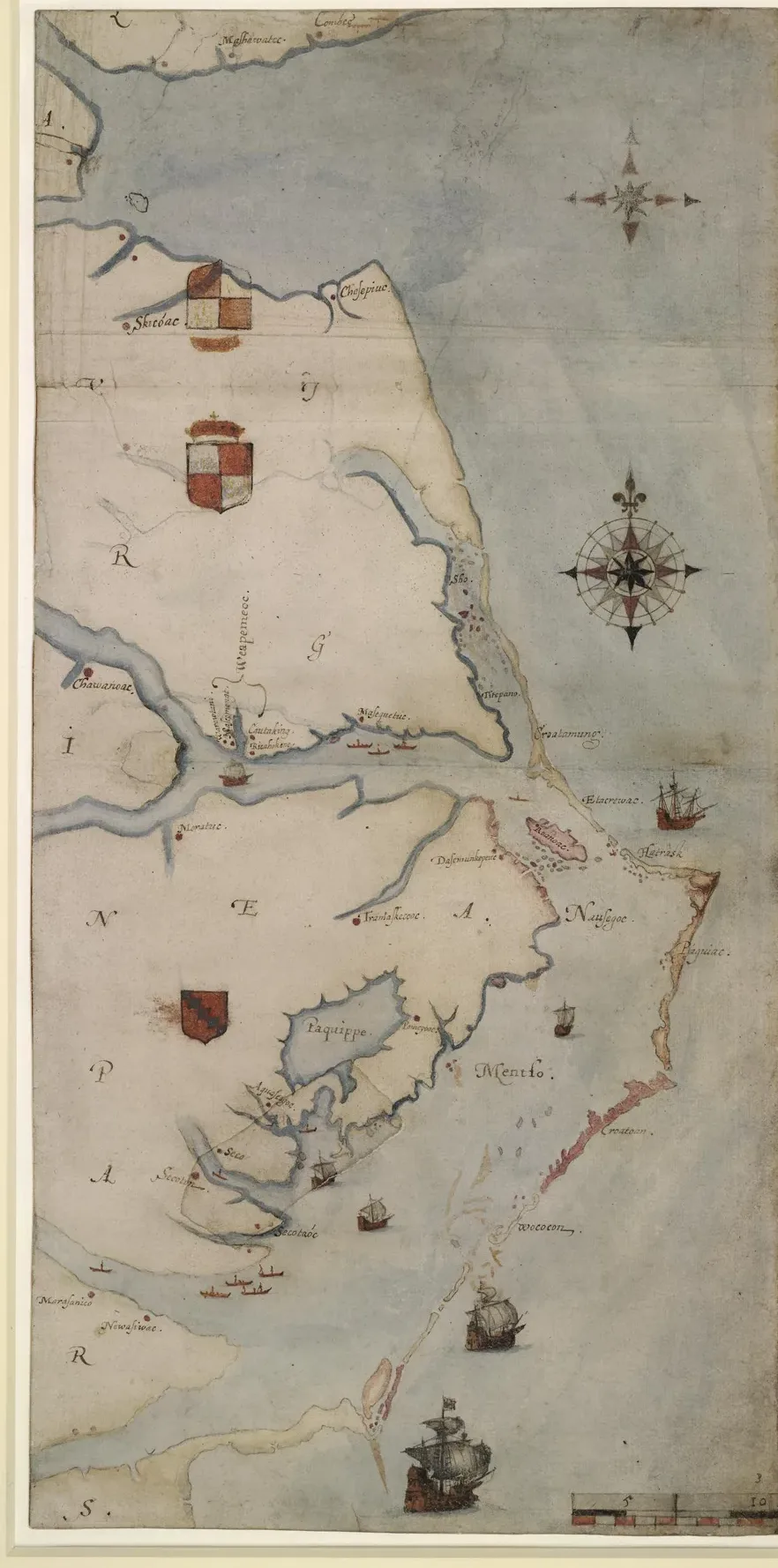
The Lost Colony of Roanoke
In 1587 more than a hundred English men, women and children settled on Roanoke Island. When their governor returned three years later, they were gone, leaving only a carved word: CROATOAN.
In 1587 an English expedition sponsored by Sir Walter Raleigh brought about 117 men, women and children to Roanoke Island, in what is now North Carolina. Their governor, the artist John White, sailed back to England for supplies. War with Spain delayed his return until August 1590. He found the settlement abandoned and the letters 'CRO' carved on a tree and 'CROATOAN' on a post. White wrote that the colonists had agreed to carve the name of the place they had moved to, with a cross if they left in distress; there was no cross. Croatoan was the name of an island to the south, now part of Hatteras, and of its Native people. Bad weather prevented White from going there, and the colonists were never found.
Loading the full dossier…
Connected dossiers
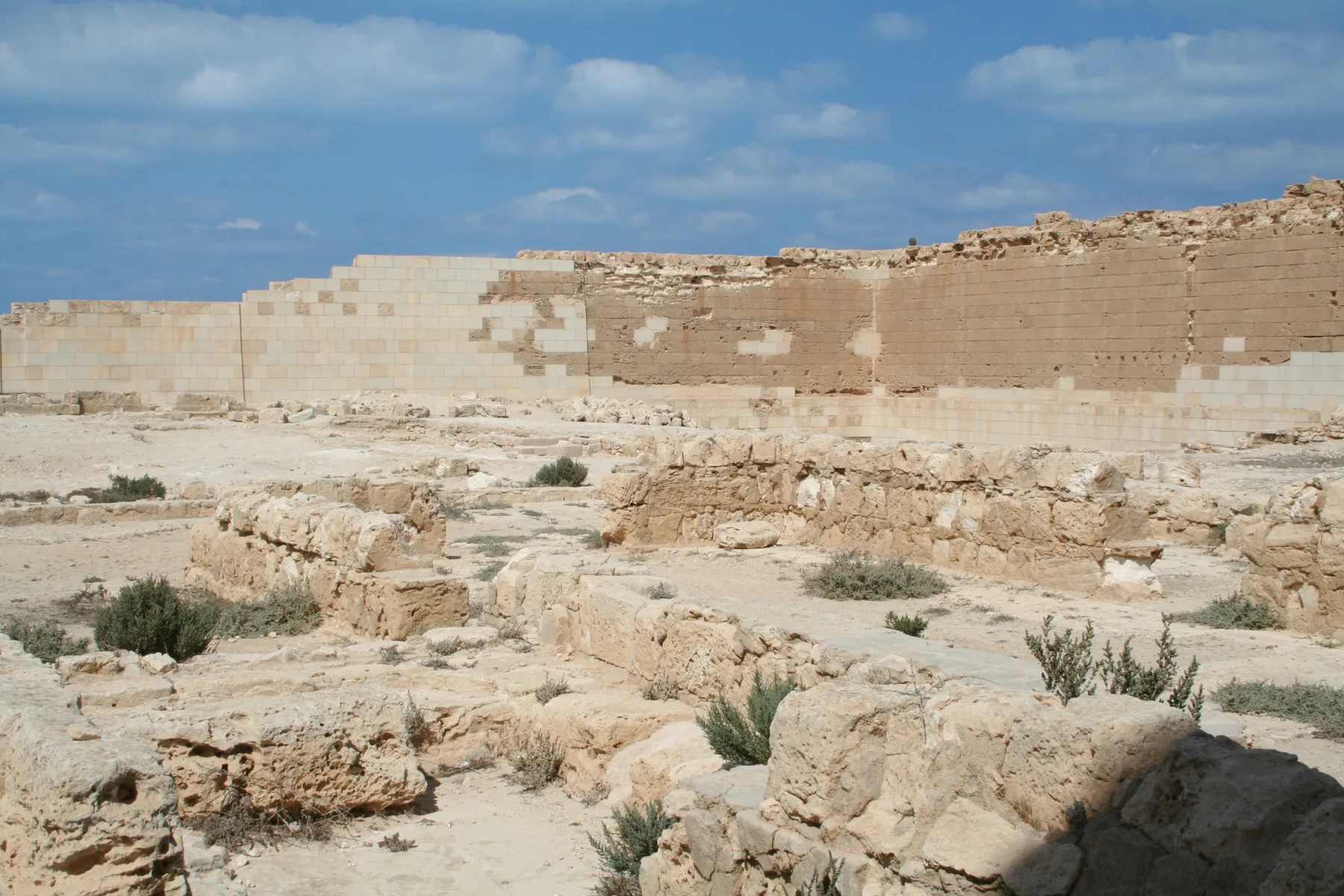 The Lost Tomb of CleopatraComparable case · Famous places described in records but never found.
 MH370: The Missing FlightComparable case · Disappearances with a few clues and no conclusion.
See The Lost Colony of Roanoke in the discovery universe →
Ask the archive
Have a question about this dossier, or think a claim needs a better source? Send it to the editors.
How to read the labels
Hero image: John White's map "La Virginea Pars" (c. 1585), British Museum; a patch on it was studied in 2012 in the search for the Lost Colony. Image: John White · Public domain · via Wikimedia Commons. Evidence labels describe the written claims, not the image. Version 1 · updated 2026-10-22.